Erik Lehmann · 30 September 2026
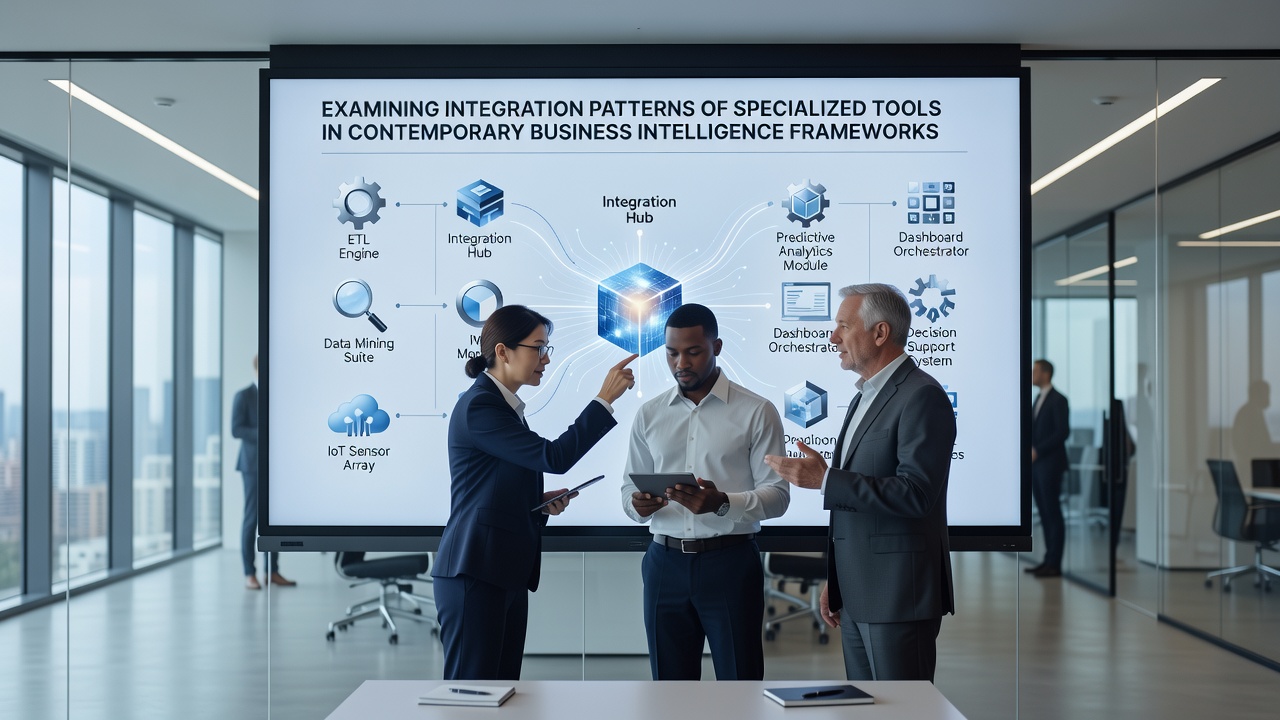
Examining Integration Patterns of Specialized Tools in Contemporary Business Intelligence Frameworks
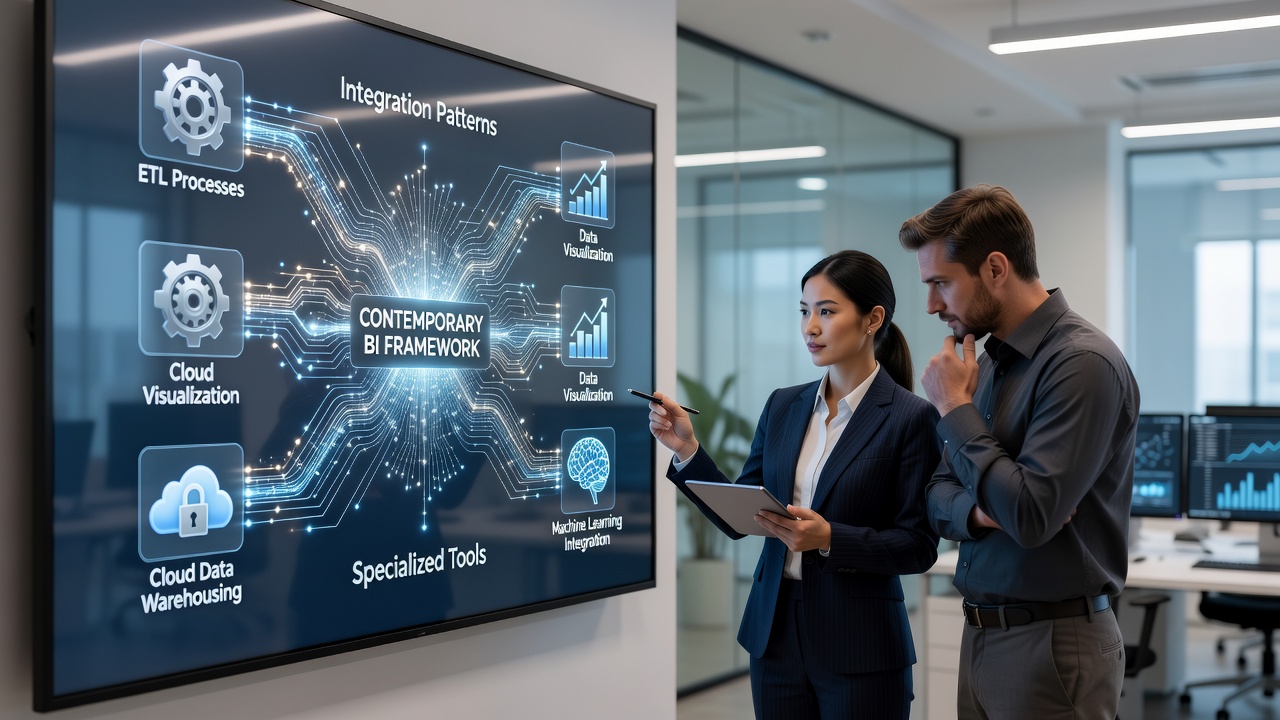
Contemporary business intelligence frameworks rely on specialized tools that handle everything from data extraction and transformation to advanced analytics and visualization, and observers note how these components connect through structured integration patterns that support scalable operations across industries.
Core Components in Modern BI Ecosystems
Data pipelines form the backbone of these frameworks, where extraction tools pull information from disparate sources while transformation layers clean and standardize datasets before loading them into centralized repositories, and researchers have documented how middleware solutions bridge legacy databases with cloud-based warehouses to maintain consistency during high-volume transfers.
Visualization platforms then layer on top of these foundations, allowing users to query processed information through interactive dashboards that update in real time, whereas machine learning modules embed predictive capabilities directly into reporting workflows so decision-makers receive automated insights without separate processing steps.
Common Integration Approaches Observed in Practice
API-driven connections represent one primary pattern, enabling specialized analytics engines to communicate with core BI platforms through standardized endpoints that handle authentication and data formatting automatically, and studies indicate this method reduces custom coding requirements while supporting modular upgrades as new tools emerge.
Event-driven architectures offer another route, where streaming services like message queues trigger actions across systems whenever fresh data arrives, and this setup proves especially useful in sectors that process continuous inputs such as finance or logistics, according to findings from industry analyses.
Embedded analytics represent a third pattern gaining traction, integrating specialized functions like natural language querying or anomaly detection straight into existing dashboards so end users interact with advanced features without switching applications, and data from multiple deployments show measurable reductions in report generation times.
Evidence from Recent Deployments and Studies
Organizations that adopted hybrid cloud setups in 2025 reported smoother transitions when they combined on-premises ETL tools with cloud visualization layers through orchestration platforms, and one analysis revealed that these configurations handled 40 percent more concurrent queries compared to siloed systems.
Academic reviews of enterprise implementations highlight how metadata management tools synchronize across platforms to track data lineage, which helps maintain compliance during audits, and figures from research institutions show that companies using unified metadata layers experienced fewer discrepancies in cross-departmental reports.
What's interesting is how regional differences appear in adoption rates, with North American firms leaning toward API-centric models while European counterparts often prioritize event streaming to meet stricter data residency rules, and OECD digital economy reports provide comparative statistics across member countries.
Technical Considerations in Scaling Integrations
Security protocols must align across all connected tools, including encryption standards and access controls that prevent unauthorized data movement between specialized modules and the main framework, and experts observe that role-based permissions integrated at the API level help enforce these boundaries without slowing performance.
Performance monitoring becomes essential once multiple tools operate together, since latency in one component can cascade through the entire pipeline, and monitoring suites that aggregate logs from extraction, processing, and visualization stages allow teams to identify bottlenecks quickly.
Yet compatibility testing remains a recurring task because updates to individual tools can alter data schemas or endpoint behaviors, and teams that maintain version-controlled integration mappings report fewer disruptions during routine maintenance windows.
Conclusion
Integration patterns continue to evolve alongside advances in data processing technologies, with organizations selecting approaches based on volume, velocity, and regulatory requirements specific to their operations, and ongoing research from sources such as NIST interoperability projects tracks how these frameworks adapt to emerging standards.